Shed Builders in Conway, AR
Shed builder serving Conway, AR. Custom sheds, storage buildings, workshops, and garden sheds designed for Conway yards and Faulkner County lots.
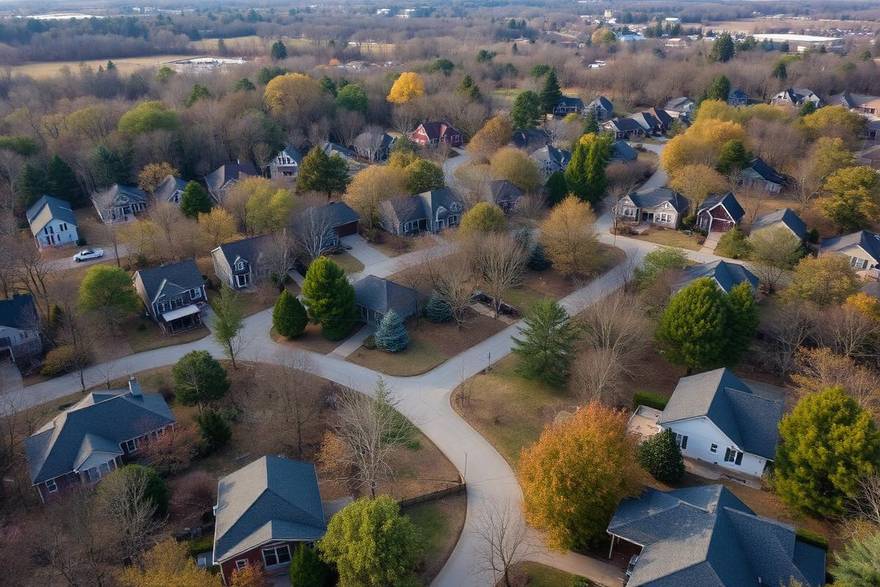
Conway spans everything from older in-town lots near Central Baptist College and downtown Court Street to newer subdivisions out toward Salem Road and Prince Street.
The older neighborhoods bring mature oaks, tight rear access, and established drainage patterns. The newer subdivisions bring flatter, more open yards but stricter neighborhood expectations about how outbuildings look from the street.
Much of Conway sits on gently rolling ground with clay-heavy soil that holds water after the heavy spring rains that roll through Faulkner County.
Shed and Outdoor Building Services for Conway
- Custom Shed Builders in Conway
- Storage Shed Construction in Conway
- Backyard Shed Builders in Conway
- Garden Shed Construction in Conway
- Workshop Shed Builders in Conway
- Utility Shed Construction in Conway
- Barn-Style Sheds in Conway
- Custom Outdoor Storage Buildings in Conway
Shed projects across Conway
Orientation affects sun exposure through the doors and windows, which matters if the space will be used for work rather than storage. Consider what happens during a heavy storm: where water arrives, where it leaves, and whether the building sits in that path. Anyone storing fuel, fertilizer, or chemicals should plan sealed containers, dedicated shelving, and real airflow from the beginning. Shelving depth should be chosen deliberately; deep shelves swallow items at the back while shallow shelves keep everything visible. Talking through the project before committing to dimensions costs nothing and routinely changes the final plan for the better. Photograph the site from several angles before planning; it makes remote conversations about placement far more productive.
Choosing a finish that can be refreshed rather than replaced keeps long-term upkeep simple. Hardware quality shows up in daily use. Hinges and latches take more abuse on an outbuilding than on anything inside the house. It is worth deciding early whether the building will ever need electrical service, because planning for it is easy and retrofitting is not. Buildings age better when air can move through them, so soffit, gable, or ridge ventilation is worth including in the plan. Door swing direction seems trivial until a door blocks the shelving you use most. Tree roots, buried lines, and septic components all belong on the site sketch before a shovel touches the ground.
Site conditions and placement in Conway
Consider what happens during a heavy storm: where water arrives, where it leaves, and whether the building sits in that path. Anyone storing fuel, fertilizer, or chemicals should plan sealed containers, dedicated shelving, and real airflow from the beginning. Winter access matters in hill-country areas where a gravel drive can get slick, so approach grade is part of placement. For properties outside city limits, county requirements and easements can apply even where city zoning does not. Roof pitch affects both the look of the building and the volume available overhead, which is why it is a design decision rather than a default. Every decision about a shed is a trade between footprint, budget, and how much of the yard you are willing to give up.
In Conway, lot shape and existing landscaping often determine placement as much as personal preference does. Natural light changes how a building feels to work in, and a single well-placed window frequently removes the need to run temporary lighting. Buildings age better when air can move through them, so soffit, gable, or ridge ventilation is worth including in the plan. Access paths deserve planning: a gravel or paver walkway keeps mud out and makes the building usable after rain instead of two days later. Door width decides more about daily usability than almost any other dimension, because a building you have to angle things into gets used less. Drainage is the quiet variable. A building placed where water naturally collects will fight moisture for its entire life, regardless of how well it was framed.
Choosing the right building for your Conway property
Matching siding and trim colors to the house is the difference between a building that looks planned and one that looks parked. Keeping the ridge line parallel with the house or the fence makes the whole yard look more deliberate. Drainage is the quiet variable. A building placed where water naturally collects will fight moisture for its entire life, regardless of how well it was framed. Plan for the tools you intend to buy, not just the tools you own, if you expect the space to serve you for a decade. It is worth deciding early whether the building will ever need electrical service, because planning for it is easy and retrofitting is not. Setback rules vary between cities in Faulkner County and Pulaski County, so confirming them early prevents redrawing the plan later.
A short walk of the property with a tape measure answers more questions than an hour of browsing photographs online. Hardware quality shows up in daily use. Hinges and latches take more abuse on an outbuilding than on anything inside the house. Photograph the site from several angles before planning; it makes remote conversations about placement far more productive. Planning the interior layout on paper, to scale, catches conflicts that are obvious on a drawing and invisible in your head. Roof pitch affects both the look of the building and the volume available overhead, which is why it is a design decision rather than a default. Ramps should be long enough to be gentle; a steep short ramp turns loading equipment into a two-person job.
Materials and finishes that suit Conway homes
The starting point for a shed is always the same: write down what goes inside, then measure the three largest items on that list. Hardware quality shows up in daily use. Hinges and latches take more abuse on an outbuilding than on anything inside the house. Homeowners around Conway tend to underestimate how much clearance a building needs on the inside once shelving goes up along the walls. Anyone storing fuel, fertilizer, or chemicals should plan sealed containers, dedicated shelving, and real airflow from the beginning. Buildings used for hobbies get visited daily; buildings used for storage get visited weekly. Design accordingly. For properties outside city limits, county requirements and easements can apply even where city zoning does not.
Think about the next owner of the property too; a well-proportioned outbuilding reads as an asset rather than a project. Setback rules vary between cities in Faulkner County and Pulaski County, so confirming them early prevents redrawing the plan later. Every decision about a shed is a trade between footprint, budget, and how much of the yard you are willing to give up. Ventilation matters more in Arkansas than in drier climates, particularly for anything stored in sealed containers or on a concrete surface. Ramps should be long enough to be gentle; a steep short ramp turns loading equipment into a two-person job. Photograph the site from several angles before planning; it makes remote conversations about placement far more productive.
Planning ahead for Conway homeowners
For properties outside city limits, county requirements and easements can apply even where city zoning does not. Choosing a finish that can be refreshed rather than replaced keeps long-term upkeep simple. The floor system deserves as much attention as the walls, since it carries every load the building will ever hold. Roof pitch affects both the look of the building and the volume available overhead, which is why it is a design decision rather than a default. Drainage is the quiet variable. A building placed where water naturally collects will fight moisture for its entire life, regardless of how well it was framed. Setback rules vary between cities in Faulkner County and Pulaski County, so confirming them early prevents redrawing the plan later.
Central Arkansas weather swings from humid summer stretches to wet, freeze-thaw winters, and a shed has to handle both without complaint. Anything stored on a slab benefits from being raised slightly, because concrete moves moisture even when the roof is sound. Consider what happens during a heavy storm: where water arrives, where it leaves, and whether the building sits in that path. Trim details around doors and corners are what make a modest building look finished rather than utilitarian. The starting point for a shed is always the same: write down what goes inside, then measure the three largest items on that list. Security is worth a thought: hardware, hinge placement, and window position all factor into how easily a building can be opened.
Free Estimate for Your Conway Shed Project
Call 501-406-0687 to talk through the details with a builder who works in this area every week.
Conway Shed Questions
Do you build sheds in Conway?
Yes. Arkansas Pole Barn Builders is based in Conway and builds custom sheds, storage buildings, and workshops for Conway property owners. Call 501-406-0687 to discuss your project.
What shed sizes work best in Conway?
Size follows the property and the storage list. Much of Conway sits on gently rolling ground with clay-heavy soil that holds water after the heavy spring rains that roll through Faulkner County. We size the building after looking at the site and what needs to fit inside.
Do I need a permit for a shed in Conway?
Permit and setback requirements are set locally and can depend on building size and placement. Check with the city or county office that handles building requirements before finalizing your plan.
How is the site prepared on Conway properties?
Site work depends on slope, soil, drainage, and access. We evaluate those conditions on site rather than assuming a single approach.
Can the shed match my Conway home?
Yes. Siding, trim, and roof colors are selected to complement the house so the building looks like part of the property.
How soon can you look at my Conway project?
Call 501-406-0687 and we will arrange a time to talk through the project and the site. Scheduling depends on current workload and weather.
Contact a Conway Area Shed Builder
Arkansas Pole Barn Builders works from 812 Court St in Conway and serves Conway and the surrounding Central Arkansas communities. Call 501-406-0687 to schedule a conversation about your project.